

How Screen Time Impacts Children’s Vision: A Parent’s Survival Guide
In today’s digital age, managing screen time for children has become one of the biggest challenges for parents. From educational apps to entertainment, screens are integrated into every aspect of a child’s life. However, the excessive use of mobile devices and other screens can have significant impacts on children’s vision. This guide will help parents understand the effects of screen time and offer practical tips to manage it effectively.
Understanding the Impact of Screen Time on Vision
Digital Eye Strain: One of the most immediate effects of prolonged screen time is digital eye strain. Symptoms include headaches, blurred vision, and dry eyes. Children may not always voice their discomfort, so it’s important for parents to notice signs of strain, such as squinting or rubbing their eyes.
Myopia (Nearsightedness): Recent studies have shown a correlation between increased screen time and the rising incidence of myopia among children. The intense focus on screens, combined with less time spent outdoors, contributes to the development and progression of nearsightedness.
Blue Light Exposure: Screens emit blue light, which can penetrate deep into the eye and cause potential damage to the retina. While the long-term effects are still being studied, there is concern that excessive blue light exposure may contribute to age-related macular degeneration later in life.
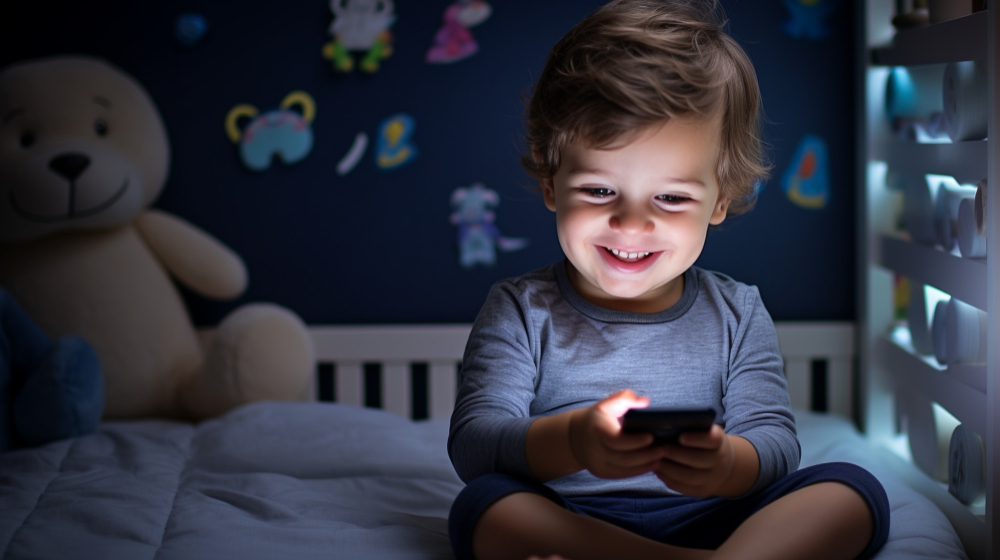
Disrupted Sleep Patterns: Screen time, especially before bedtime, can disrupt children’s sleep patterns due to the blue light interfering with the production of melatonin, a hormone that regulates sleep. Poor sleep can further strain their vision and overall health.
Practical Tips for Parents to Manage Screen Time
- Set Screen Time Limits: Establish clear rules about the amount of screen time allowed each day. The American Academy of Pediatrics suggests no more than one hour of screen time per day for children aged 2 to 5, and consistent limits for older children.
- Encourage Breaks: Implement the 20-20-20 rule: every 20 minutes, have your child take a 20-second break and look at something 20 feet away. This helps reduce eye strain.
- Create a Screen-Free Zone: Designate certain areas of the home, such as the dining room and bedrooms, as screen-free zones. This encourages children to engage in other activities and promotes better sleep habits.
- Promote Outdoor Play: Encourage your children to spend more time outdoors. Natural light and outdoor activities are beneficial for eye health and help mitigate the risk of myopia.
- Adjust Screen Settings: Ensure screens are at eye level to prevent strain on the neck and shoulders. Adjust brightness and contrast settings to comfortable levels, and consider using blue light filters, especially in the evenings.
- Monitor Content: Be aware of the content your child is consuming. Educational apps and programs can be beneficial, but excessive gaming or browsing can increase the risk of eye strain.
- Lead by Example: Children often mimic their parents’ behavior. Limit your own screen time and engage in activities that do not involve screens, such as reading books or playing board games together.
The Role of Regular Eye Check-Ups
Regular eye check-ups are crucial for early detection and management of vision problems. Schedule annual eye exams for your children, even if they do not show any symptoms of vision issues. An eye specialist can provide personalized advice and corrective measures if needed.
Signs Your Child May Need an Eye Exam:
- Frequent headaches
- Squinting or closing one eye to see better
- Holding screens very close to their eyes
- Complaints of blurry or double vision
- Difficulty concentrating on schoolwork
Conclusion
As screens become an integral part of our daily lives, it is essential for parents to be proactive in managing their children’s screen time. By understanding the potential impacts on vision and implementing practical strategies, parents can help protect their children’s eyes and promote healthier habits. Remember, moderation and mindfulness are key. Regular eye check-ups and open communication with your child about their screen use can make a significant difference in maintaining their visual health.
For more tips and expert advice on eye care, visit our website. Our optical experts are here to assist you in ensuring your child’s vision remains sharp and healthy.